Certification Services
Beverages
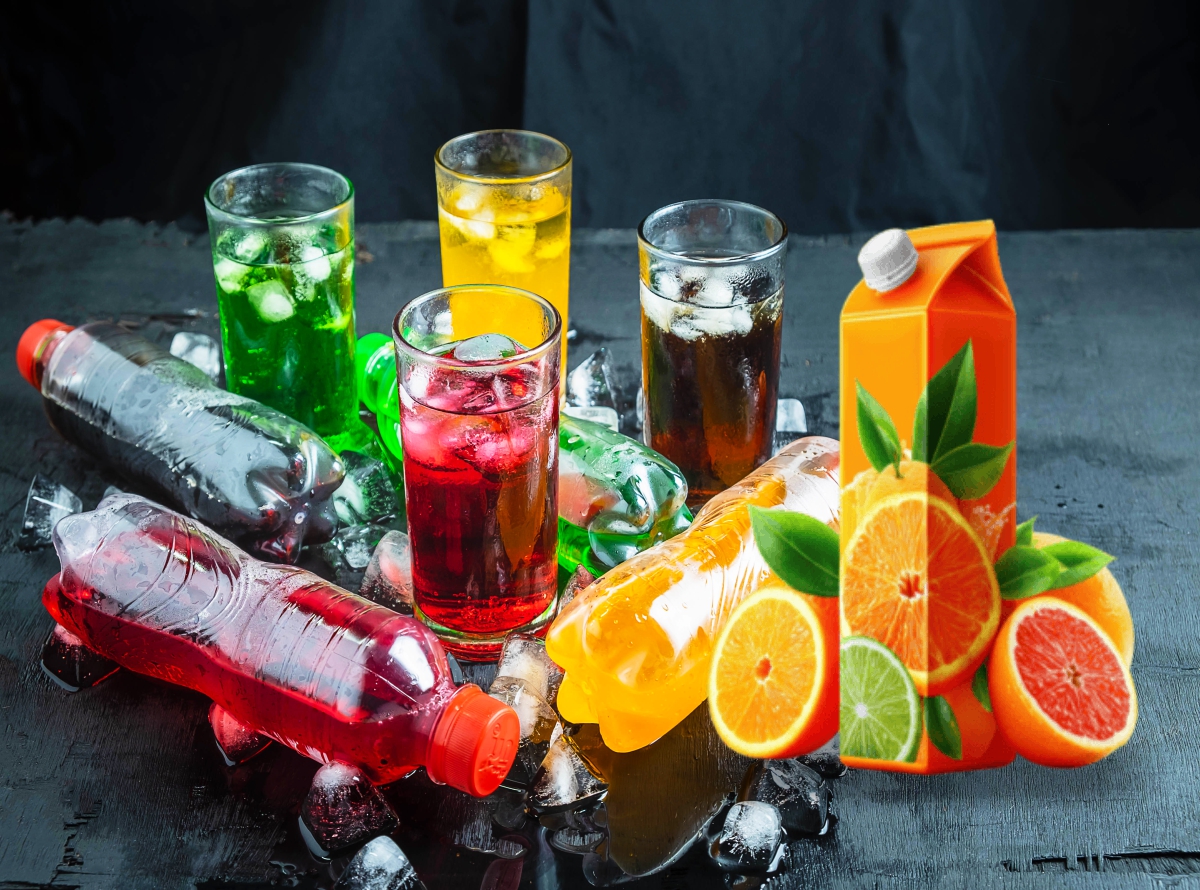
Beverages form a major part of human diets and cultural practices, ranging from hot drinks like tea and coffee to milk drinks, fruit juices, soft drinks, and alcoholic beverages. From a Halal certification perspective, the classification of beverages into alcoholic and non alcoholic is fundamental. Alcoholic drinks, containing ethanol, are prohibited in Islam, while non-alcoholic beverages, including bottled water, fruit juices, carbonated and non-carbonated soft drinks, and milk, are permissible provided they meet Halal compliance standards. Soft drinks, for example, are typically composed of water (up to 98%), sugars or sweeteners, carbon dioxide, acidulants such as citric or phosphoric acid, flavors, colors, and preservatives. Each of these ingredients must be carefully assessed for Halal status. Sweeteners like sucrose, glucose syrup, or high-fructose corn syrup are generally acceptable, but artificial sweeteners (e.g., aspartame, saccharin) require verification of their source and processing aids. Similarly, flavorings and colorants must be free from alcohol carriers or animal-derived substances not certified Halal. Hydrocolloids such as gums, stabilizers, or emulsifiers are often derived from plant or microbial sources, but if animal-based, they must come from Halal-slaughtered animals. The importance of Halal certification in beverages lies in consumer trust and safety. Muslims worldwide seek assurance that their drinks are free from prohibited substances like ethanol, non-Halal gelatin, or doubtful enzymes. JMUIM’s Halal Certification ensures that production processes, such as water treatment, carbonation, and packaging, avoid contamination with non-Halal materials. Beyond permissibility, Halal beverages contribute to health and nutrition: milk provides calcium and vitamins, fruit juices deliver fiber and vitamin C, while isotonic drinks aid hydration. Thus, Halal certification not only validates compliance with Islamic dietary law but also enhances the credibility, marketability, and global acceptance of beverages. For producers and industries, this certificate strengthens brand reputation, opens access to international markets, and builds long-term consumer loyalty.

Cosmetics and Personal Care
Cosmetics and personal care products have become an essential part of modern life. They are used daily for hygiene, grooming, and enhancing appearance, while also serving protective functions such as shielding skin and hair from pollutants and ultraviolet radiation. Beyond aesthetics, these products contribute to confidence, social interaction, and overall well‑being. Their widespread use across cultures and age groups underscores their importance as more than luxuries, they are necessities for maintaining health and dignity.For Muslim consumers, the significance of cosmetics extends further into the realm of faith. Islam emphasizes that what is applied to the body must be both halal (permissible) and tayyib (pure, safe, and wholesome). This means cosmetics should be free from prohibited substances such as porcine derivatives, intoxicating alcohol, or human‑derived materials. Ingredients must be sourced responsibly, processed hygienically, and kept uncontaminated by impure elements. Thus, halal principles ensure that personal care products not only enhance beauty but also align with spiritual values and ethical consumption.Halal certification plays a vital role in bridging consumer trust and industry responsibility. It provides assurance that products meet religious requirements while also complying with safety and quality standards. JMUIM’s Halal Certification involves careful scrutiny of raw materials, production processes, and handling practices to guarantee integrity at every stage. For consumers, the halal logo or certification mark becomes a symbol of reliability, signaling that the product is lawful, safe, and ethically produced. For manufacturers, it opens access to a global market where demand for halal cosmetics is rapidly growing, appealing not only to Muslims but also to non‑Muslims who associate halal with cleanliness, transparency, and high quality. In essence, halal certification elevates cosmetics and personal care products from mere commodities to trusted symbols of faith, safety, and ethical excellence.
Slaughter Houses
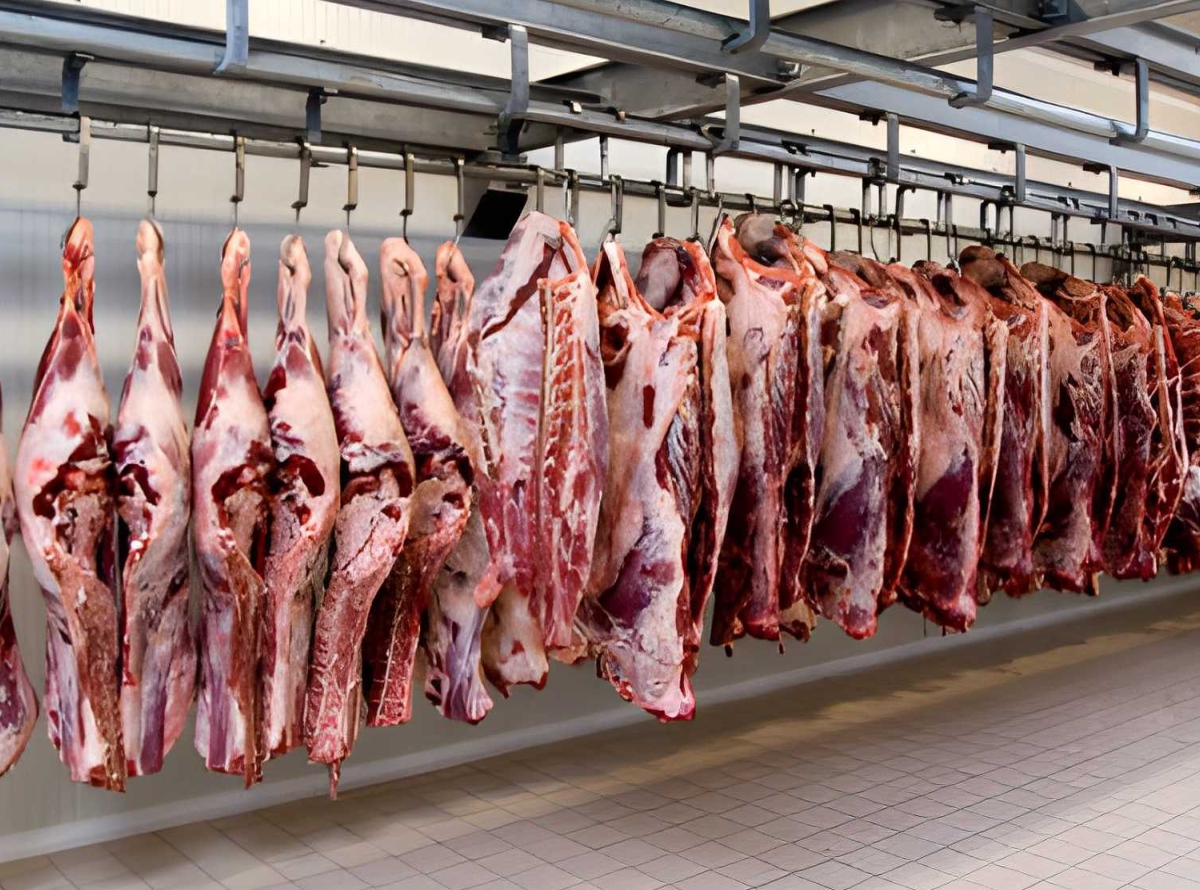
Slaughterhouses play a central role in ensuring that meat production aligns with both religious and ethical expectations. In Islamic tradition, the act of slaughtering is not merely a technical process but a deeply spiritual practice that emphasizes cleanliness, respect for life, and adherence to divine law. Proper slaughtering methods safeguard animal welfare, ensure the removal of blood, and guarantee that meat is fit for consumption.Halal certification extends this responsibility beyond the slaughterhouse, and provides a structured assurance that food products meet religious requirements while also complying with modern food safety standards. Certification involves evaluating sources, ingredients, and manufacturing processes to eliminate doubtful or prohibited elements. This dual focus, religious conformity and scientific rigor, creates a system that consumers can trust. In a globalized market where food often travels across borders, certification acts as a universal language of credibility. It reassures Muslim consumers that their dietary obligations are respected.From a marketability perspective, halal certification is increasingly vital. With nearly two billion Muslim consumers worldwide, the halal food sector represents a rapidly growing share of the global economy. Certification enhances consumer confidence, reduces confusion caused by varying practices, and strengthens brand reputation. It also opens access to lucrative international markets, where halal compliance is often a prerequisite for trade. For producers, certification is not only a religious necessity but also a strategic business tool that differentiates products, builds trust, and fosters loyalty among diverse consumer groups.JMUIM Halal Pakistan is one of the trusted halal certification bodies which provides Halal certifications after meticulously auditing the halal food processing houses, including slaughter houses. Through, our certificate, we ensure your product is trusted by consumers.
Tourism & Hospitality
Halal tourism and hospitality represent a growing movement that blends faith, culture, and modern travel experiences. For Muslim travelers, the assurance of halal food, prayer facilities, modest accommodations, and family-friendly environments is not simply a preference, it is a necessity. This makes halal certification the cornerstone of trust in tourism. When hotels, restaurants, and airlines display recognized certification, they remove uncertainty and allow guests to feel respected, welcomed, and at ease. In this way, halal tourism is not only about compliance with dietary laws but also about inclusivity, dignity, and authenticity in hospitality. As the global Muslim population expands and travel becomes more accessible, destinations that embrace halal standards gain a competitive advantage. Countries and businesses that invest in halal-friendly infrastructure attract repeat visitors and build strong reputations. Certification ensures that food sourcing, preparation, and serving meet strict requirements, eliminating doubts and enhancing the guest experience. For Muslim families, this confidence often determines where they choose to stay, dine, or travel. In a competitive hospitality market, halal certification becomes a powerful differentiator that signals respect for diverse lifestyles. Within Pakistan, JMUIM Halal Certification plays a pivotal role in strengthening this trust. By aligning local businesses with international halal standards, JMUIM empowers hotels, restaurants, and tourism operators to confidently serve Muslim travelers. Its certification process ensures that every step, from sourcing ingredients to presenting meals, reflects integrity and compliance. This not only builds credibility but also positions Pakistan as a reliable destination for halal tourism. For small businesses, JMUIM’s accessible approach makes compliance achievable, while for larger operators, it enhances global recognition. Ultimately, halal tourism and hospitality thrive on trust, and JMUIM Halal Certification provides the assurance that transforms ordinary services into experiences of faith, respect, and belonging.
Processed Food & Ingredients
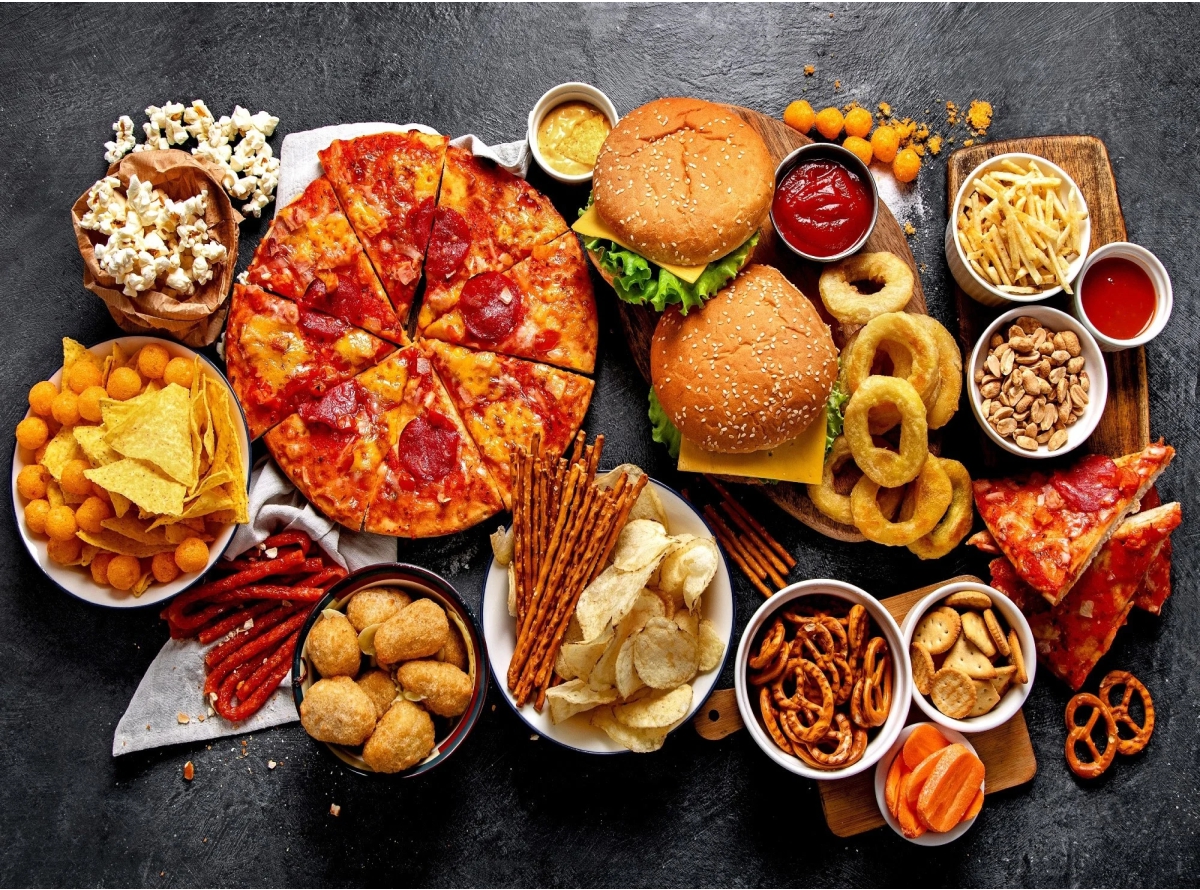
Pakistan holds a strong position in the global halal food market due to its large Muslim population and growing food industry. Processed food has become a vital sector, yet concerns about halal compliance remain central. The JMUIM Halal Certification provides assurance that food products meet Islamic requirements and maintain hygiene and safety standards. This certification strengthens consumer trust and supports exporters who aim to access Muslim‑majority markets worldwide. Processed food often involves additives and complex ingredients. Substances such as L‑cysteine, gelatin, rennet, and pepsin raise questions about halal status. L‑cysteine may come from pig bristles or human hair, gelatin often derives from pigskin collagen, and pepsin originates from pig stomachs. JMUIM Halal Certification requires strict evaluation of these materials. Producers must trace sources and replace doubtful substances with halal alternatives. This requirement ensures that products remain pure and acceptable under Islamic law. The Halal Assurance System under JMUIM sets clear criteria. It demands a halal policy, a management team, training, proper facilities, and documentation of raw materials. Traceability plays a crucial role, as every ingredient must show evidence of halal origin. Small and Medium Enterprises (SMEs) in Pakistan face challenges in meeting these standards, yet certification provides significant benefits. Products with the halal logo gain credibility, attract Muslim and non‑Muslim consumers, and qualify for export to countries with strict halal regulations. Halal certification in Pakistan represents more than religious compliance. It acts as a strategic tool for economic growth. SMEs that adopt JMUIM standards secure wider market access and enhance competitiveness. With global demand for halal food rising, Pakistan can strengthen its role as a leading halal hub. Certification of processed food and ingredients under JMUIM thus ensures consumer confidence and supports national export ambitions.
Gelatine
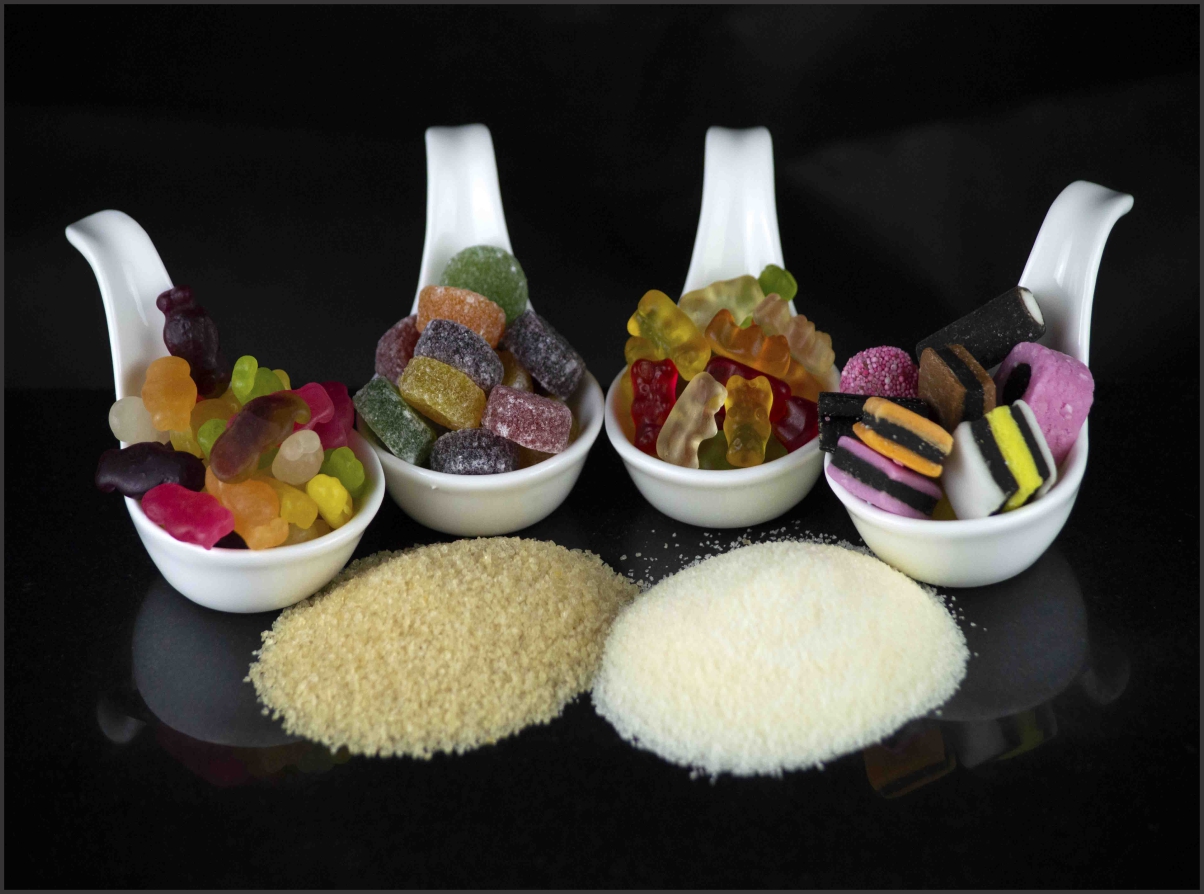
Gelatin is a widely used protein derived from collagen, serving as a gelling, stabilizing, and coating agent in food, pharmaceuticals, and cosmetics. Globally, pigskin remains the dominant source, contributing nearly half of total gelatin production. This reliance creates a serious issue for Muslim consumers, since porcine sources are strictly Haram under Islamic law. For Muslims, tolerance for porcine contamination is zero, and the presence of such material in capsules, desserts, or processed foods undermines both religious obligations and consumer trust. Alternatives exist in fish, poultry, and bovine sources slaughtered according to Islamic rules. Scientific studies confirm that fish gelatin provides strong film-forming properties and favorable sensory release, while poultry and bovine sources also yield functional gel strengths. These alternatives not only meet technical requirements but also align with halal principles. Detection methods such as PCR and surface plasmon resonance allow manufacturers to identify porcine adulteration at the molecular level, which ensures that halal integrity is not compromised. At JMUIM Halal Pakistan, certification addresses these concerns by establishing strict compliance protocols. Our framework ensures that gelatin used in certified products originates only from halal-approved sources. We require documented slaughter practices, validated supply chains, and laboratory testing to eliminate porcine contamination. By applying national and international standards such as MS1500-2019, OIC/SMIIC and PS 3733, we provide assurance that every certified product respects Islamic law and consumer expectations. Certification also builds trust in the marketplace. When consumers see the JMUIM Halal mark, they know that their concerns about hidden porcine ingredients have been addressed. This trust extends beyond food into pharmaceuticals and cosmetics, where gelatin plays a critical role. By combining technical rigor with ethical responsibility, JMUIM Halal Pakistan empowers industries to replace doubtful sources with halal alternatives and gives consumers confidence that their choices remain pure and compliant.
Cleaning Agents
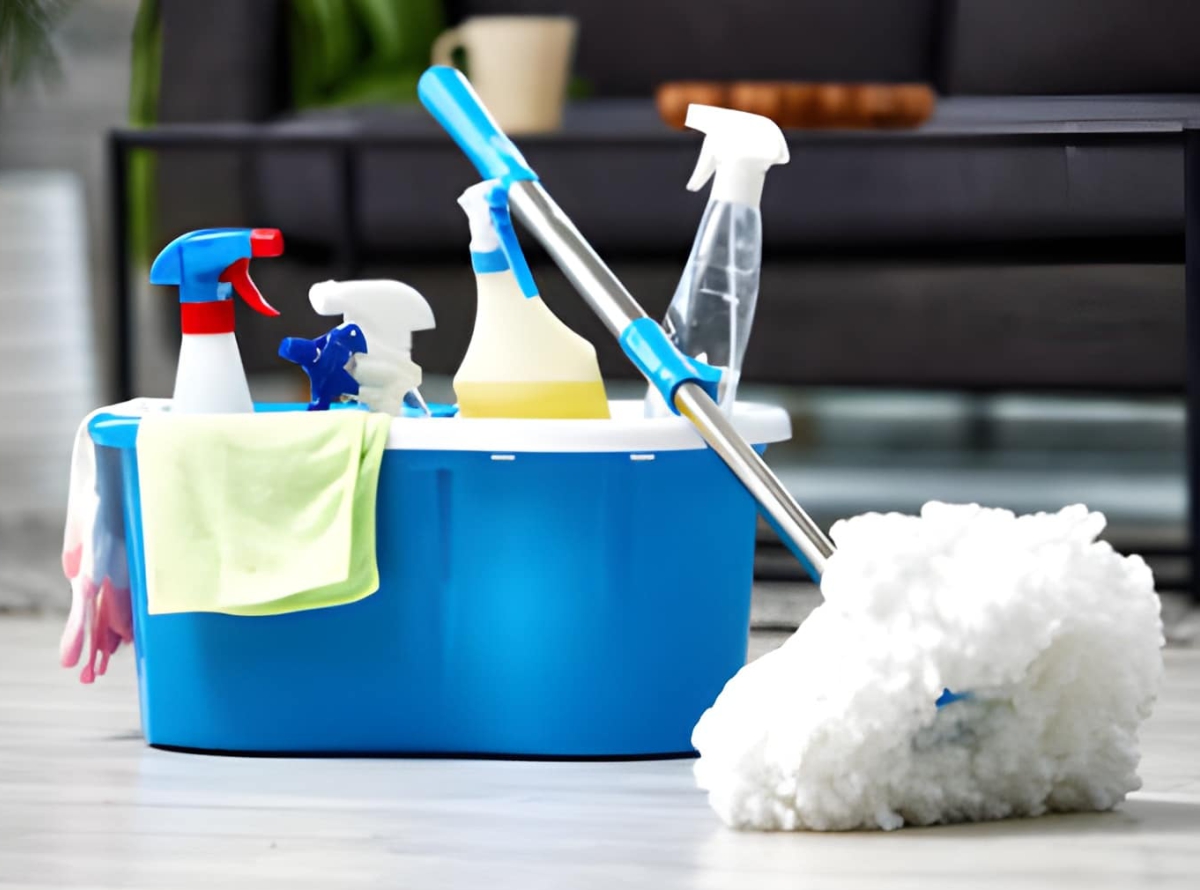
Cleaning agents hold a central role in food processing, healthcare, and household maintenance. These products remove dirt, grease, and microbial contamination, ensuring hygiene and safety. However, many conventional agents contain alcohols, animal-derived surfactants, or synthetic compounds that raise questions about their halal status. For Muslim consumers, the presence of porcine derivatives or non-halal animal fats in detergents, soaps, or sanitizers creates serious concerns. The issue becomes more complex when manufacturers fail to disclose full ingredient origins, leaving uncertainty about compliance with Islamic requirements. Halal alternatives exist through plant-based surfactants, mineral salts, and alcohols derived from permissible sources. These formulations achieve the same cleaning efficiency without reliance on prohibited inputs. Scientific studies confirm that natural compounds such as saponins and fatty acids from vegetable oils provide effective emulsification and degreasing properties. Such materials align with halal principles and meet industrial performance standards. JMUIM Halal Pakistan addresses these concerns through a structured certification process. Our framework requires full transparency of raw materials, documented supply chains, and laboratory verification of chemical composition. We ensure that cleaning agents avoid porcine derivatives, non-halal animal fats, and doubtful alcohol sources. Certification also evaluates production facilities to confirm that contamination risks remain controlled. The JMUIM Halal mark assures consumers that certified cleaning agents respect Islamic law and ethical expectations. This assurance builds trust in households, food industries, and healthcare sectors where cleaning products play a vital role. By combining technical assessment with religious compliance, JMUIM Halal Pakistan empowers manufacturers to adopt halal-approved formulations and provides consumers with confidence in product purity. Through certification, cleaning agents transform from potential sources of doubt into trusted solutions that safeguard hygiene while upholding halal integrity.
Pharmaceuticals
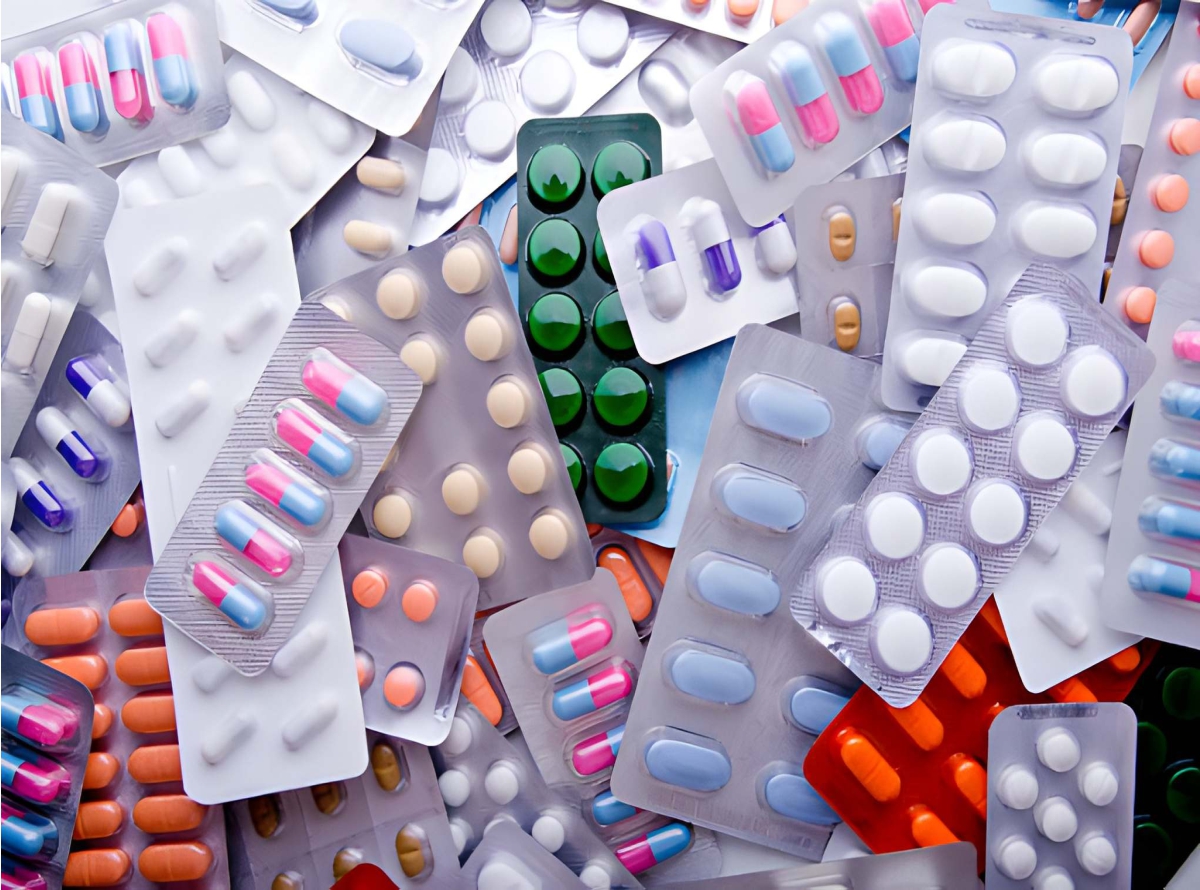
Pharmaceuticals depend on gelatin for capsule shells, tablets, syrups, and coatings. The majority of global gelatin originates from pigskin, which creates a direct conflict with Islamic dietary law. For Muslim consumers, porcine derivatives remain strictly Haram, and the presence of such material in medicines undermines religious obligations. The issue becomes more sensitive because patients often require capsules or syrups daily, and uncertainty about ingredients generates mistrust. Halal alternatives exist through bovine, poultry, and fish sources processed according to Islamic rules. Fish gelatin provides odorless properties and strong antioxidant peptides, while bovine and poultry sources deliver comparable gel strength. These alternatives meet pharmaceutical requirements and align with halal principles. Scientific studies confirm that fish gelatin hydrolysates reduce hypertension risk and support cardiovascular health, which adds functional value beyond compliance. Besides gelatin, other prohibited elements include haram animal derivatives, alcohol, blood and other impurities. The objective of Halal Pharmaceutical certification is to ensure that medicines comply with Islamic law. JMUIM Halal Pakistan ensures that pharmaceutical products meet halal standards through strict certification protocols. Our framework requires documented slaughter practices, verified supply chains, and laboratory analysis to confirm the absence of porcine contamination. We apply international standards such as OIC/SMIIC and PS 3733 to guarantee compliance with Islamic law. Certification provides assurance to consumers who rely on medicines for health and well-being. The JMUIM Halal mark signals that capsules, syrups, and tablets respect halal integrity. This assurance builds trust between patients and manufacturers, eliminating doubts about hidden porcine ingredients. By combining technical verification with ethical responsibility, JMUIM Halal Pakistan empowers pharmaceutical companies to adopt halal-approved gelatin sources and strengthens consumer confidence in product purity. Through certification, pharmaceuticals transform from potential sources of concern into trusted solutions that safeguard health while upholding halal requirements.